

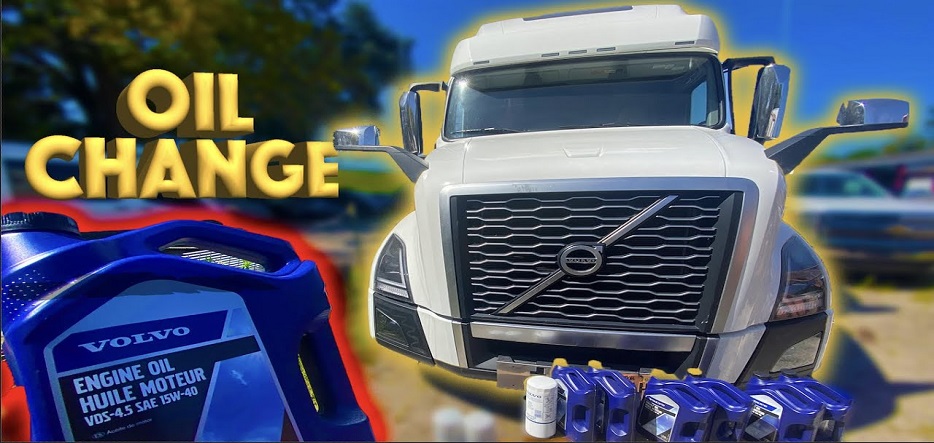
Your truck works hard whether it hauls heavy loads across the country or supports your daily grind. To keep it running at peak performance, one of the simplest and most essential tasks is regular engine oil changes. Skipping this basic maintenance can lead to costly repairs and downtime.
In this blog, we'll break down why engine oil changes matter, how often you should get them, and what signs to watch for when it's time for fresh oil.
Engine oil is the lifeblood of your truck's engine. It lubricates moving parts, reduces friction, cools components, and helps keep the engine clean by carrying away dirt and debris. Over time, oil breaks down and gets contaminated, reducing its ability to protect the engine.
Without regular oil changes, your engine can overheat, wear down prematurely, or even seize up entirely leading to thousands of dollars in repairs.
Oil change intervals depend on several factors:
As a general rule:
Signs It's Time for an Oil Change
A professional oil change service usually includes:
Draining old engine oil
Replacing the oil filter
Adding new oil (correct type and amount)
Checking fluid levels and sometimes performing a quick inspection
The Bottom Line
Staying on top of oil changes is one of the most cost-effective ways to extend the life of your truck and ensure optimal performance. It's a small investment of time and money that pays off big in reliability and peace of mind.
Don't wait for engine problems to remind you schedule your truck's next oil change today and keep it running like a champ.